
Project Overview
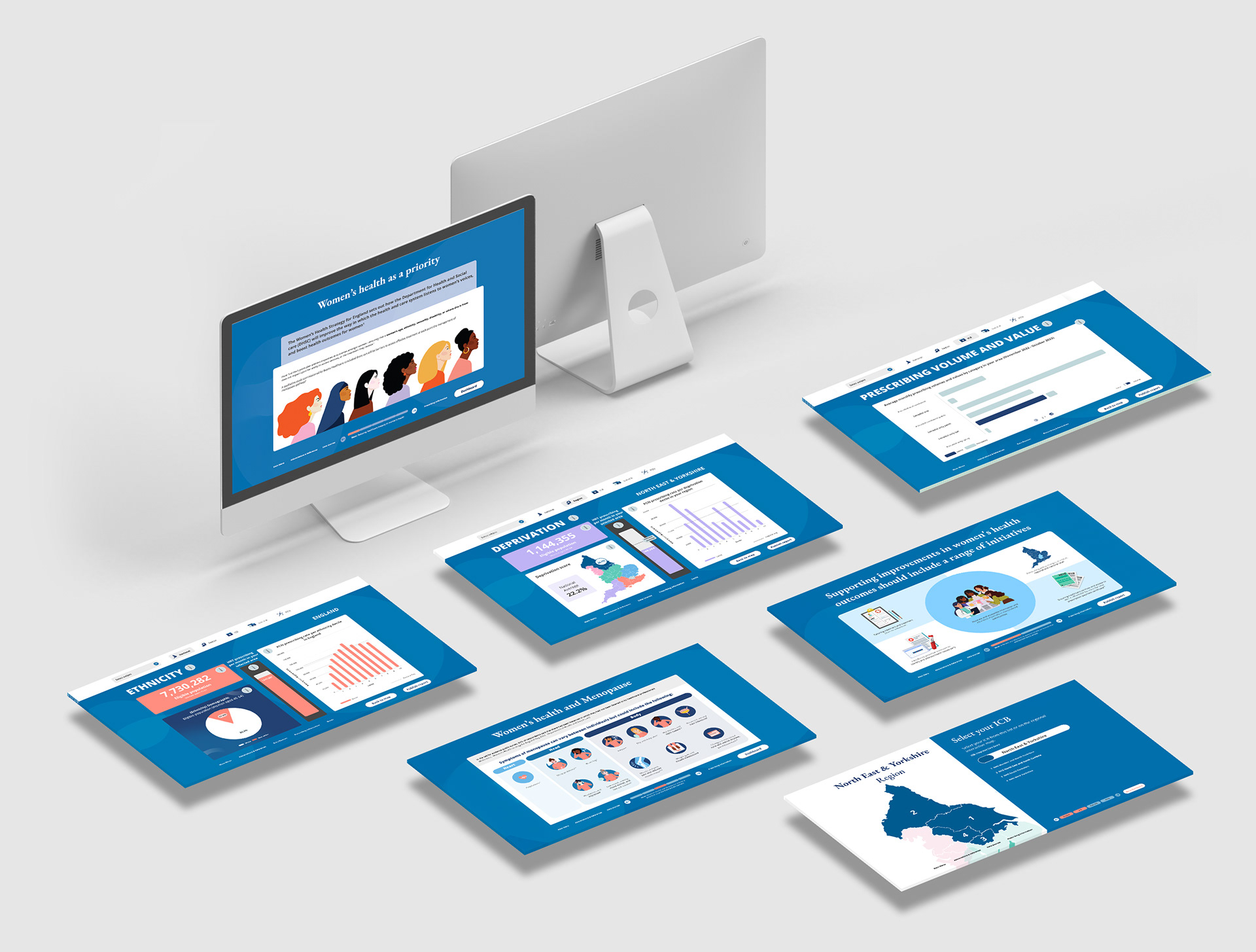
This tool is to support regional NHS organisations, such as Integrated Care Boards (ICBs) and Primary Care Networks (PCNs), in addressing inequalities in women's health, specifically focusing on menopause.
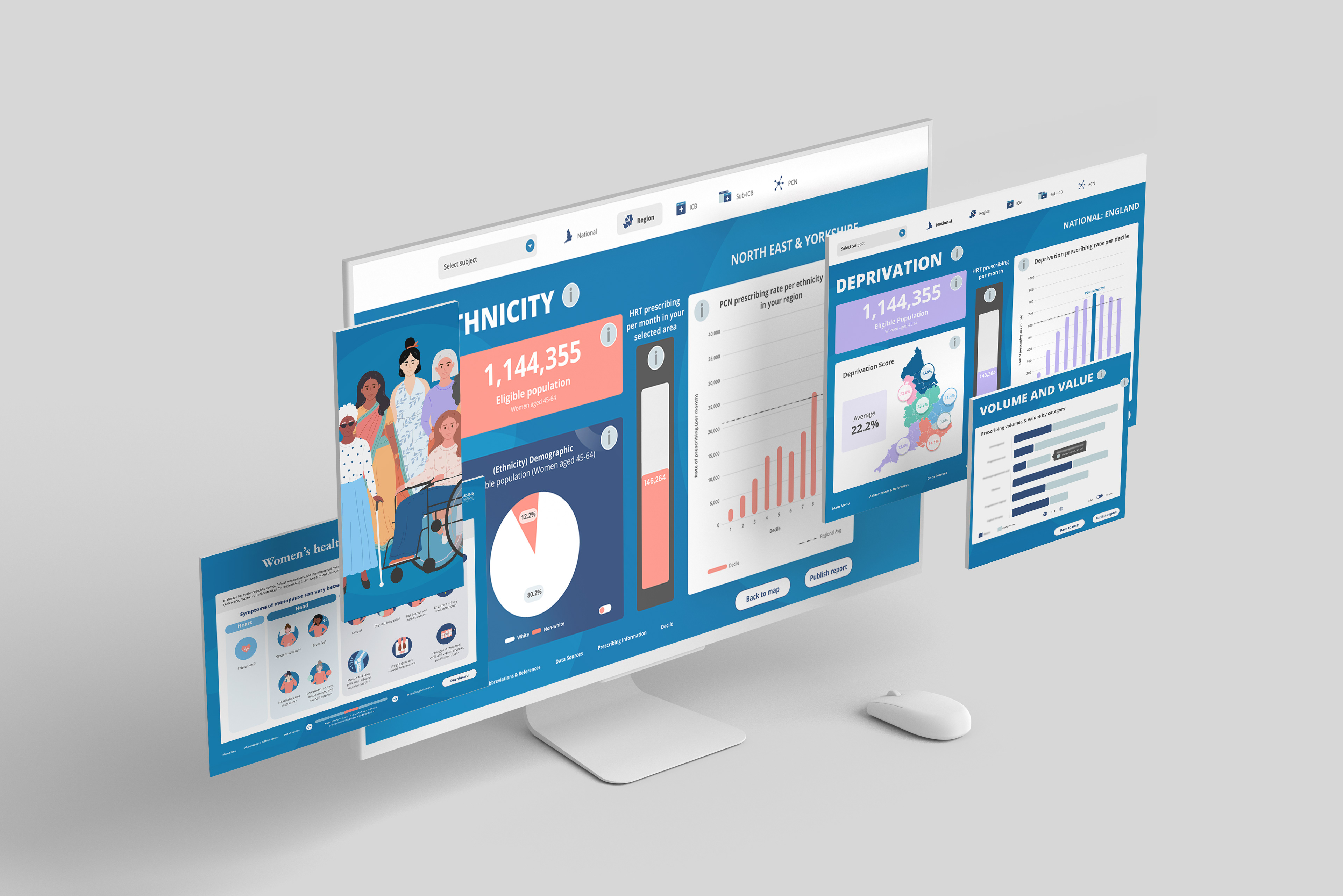
The project seeks to use NHS data to identify disparities in care and outcomes. It plans to develop an interactive toolkit, the "Patient Impact Modeller," to highlight these inequalities, rank ICBs and PCNs by deprivation levels, and produce tailored reports to support local initiatives and funding applications for Women’s Health Hubs.
The project will also guide accessing national funding for women's health improvements, with a data plan to organise necessary information. The primary audience includes healthcare professionals, local payers, and policymakers.
The Challenges
• Persistent inequalities in women's health, particularly around menopause care.
• Lack of visibility into disparities in care and outcomes across regions.
• Limited tools to compare and rank ICBs and PCNs by deprivation levels.
• Difficulty producing tailored, data-driven reports to support local initiatives and funding bids.
• Need for structured data planning to access national funding for women's health improvements.
Our Solution
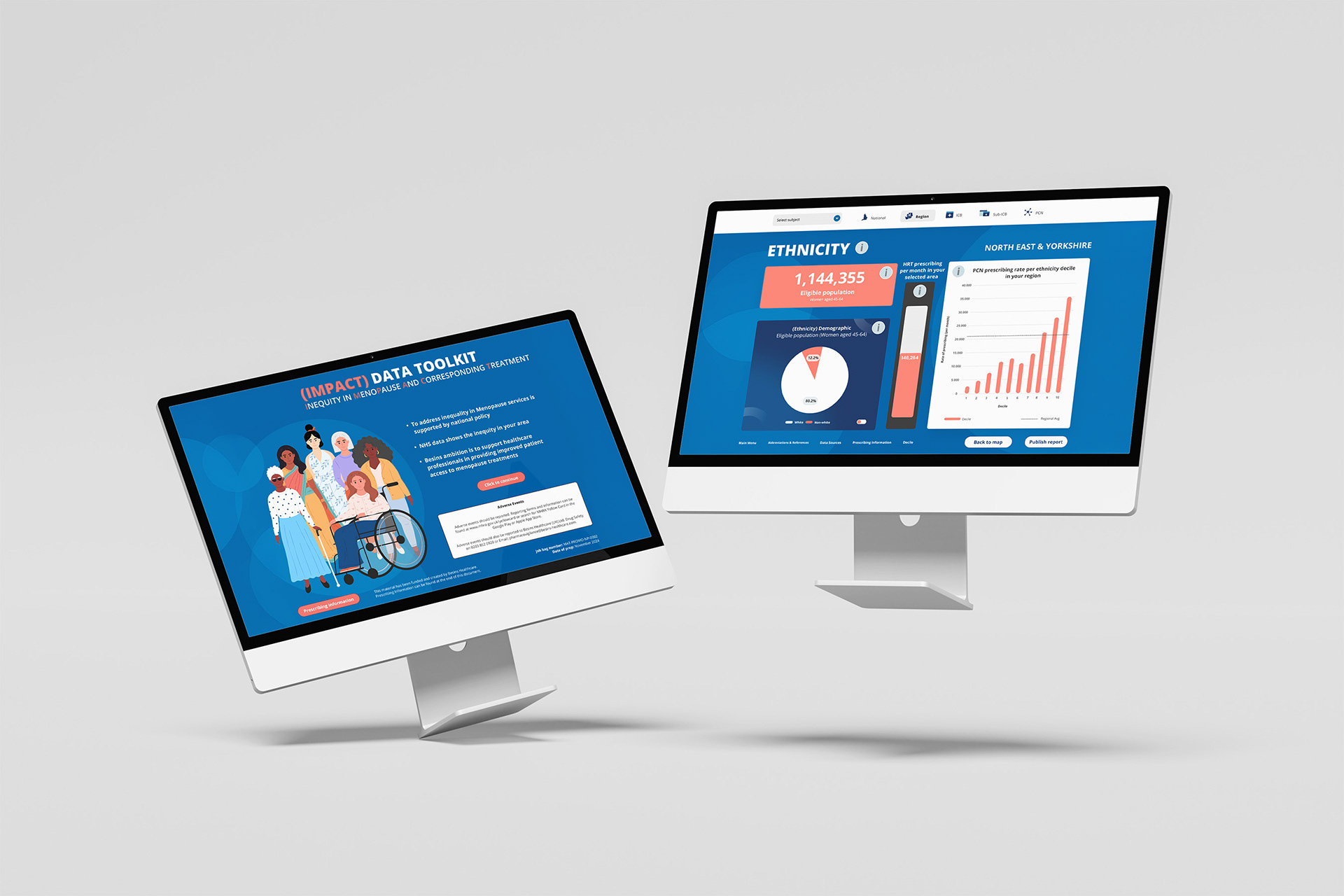
We developed the IMPACT TOOL to support regional NHS organisations, such as Integrated Care Boards (ICBs) and Primary Care Networks (PCNs), in addressing inequalities in women's health, with a specific focus on menopause. Using NHS data, the tool identified disparities in care and outcomes, ranked ICBs and PCNs by deprivation levels, and generated tailored reports to support local initiatives and funding applications for Women’s Health Hubs.
The project also provided guidance on accessing national funding for women's health improvements, supported by a structured data plan to organise and present the necessary information. The primary audience included healthcare professionals, local payers, and policymakers.